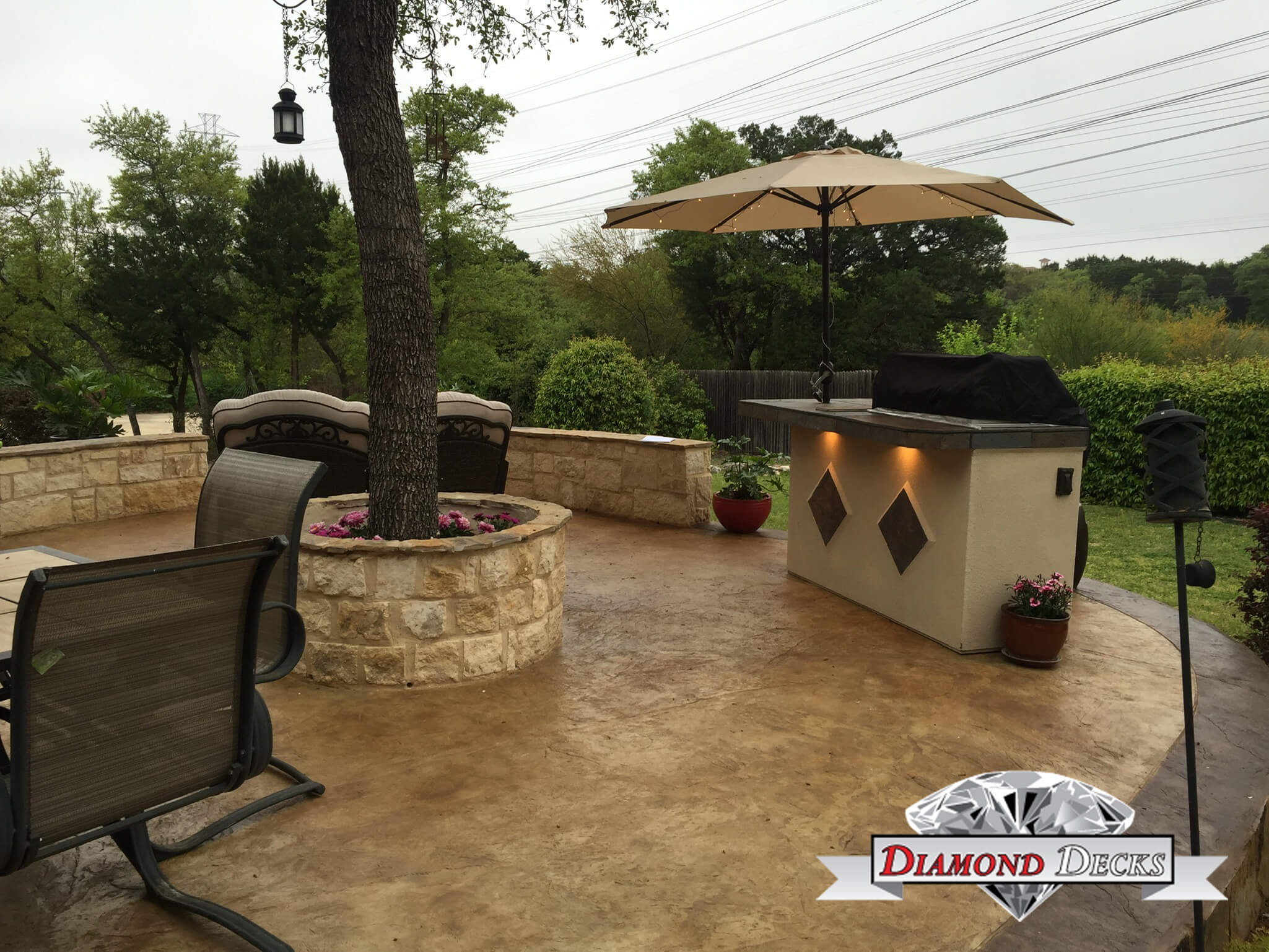


Transform Your Outdoors with Stamped Patios

Elevate your San Antonio outdoor living with a custom stamped concrete patio from Diamond Decks. We combine decorative concrete artistry with robust materials to create durable, low-maintenance patios that mimic natural stone, brick, or wood. This guide covers what stamped concrete patios are, popular designs, benefits, care, installation, integration with outdoor spaces, and common questions.
What Are Stamped Concrete Patios and Why Choose Them in San Antonio?
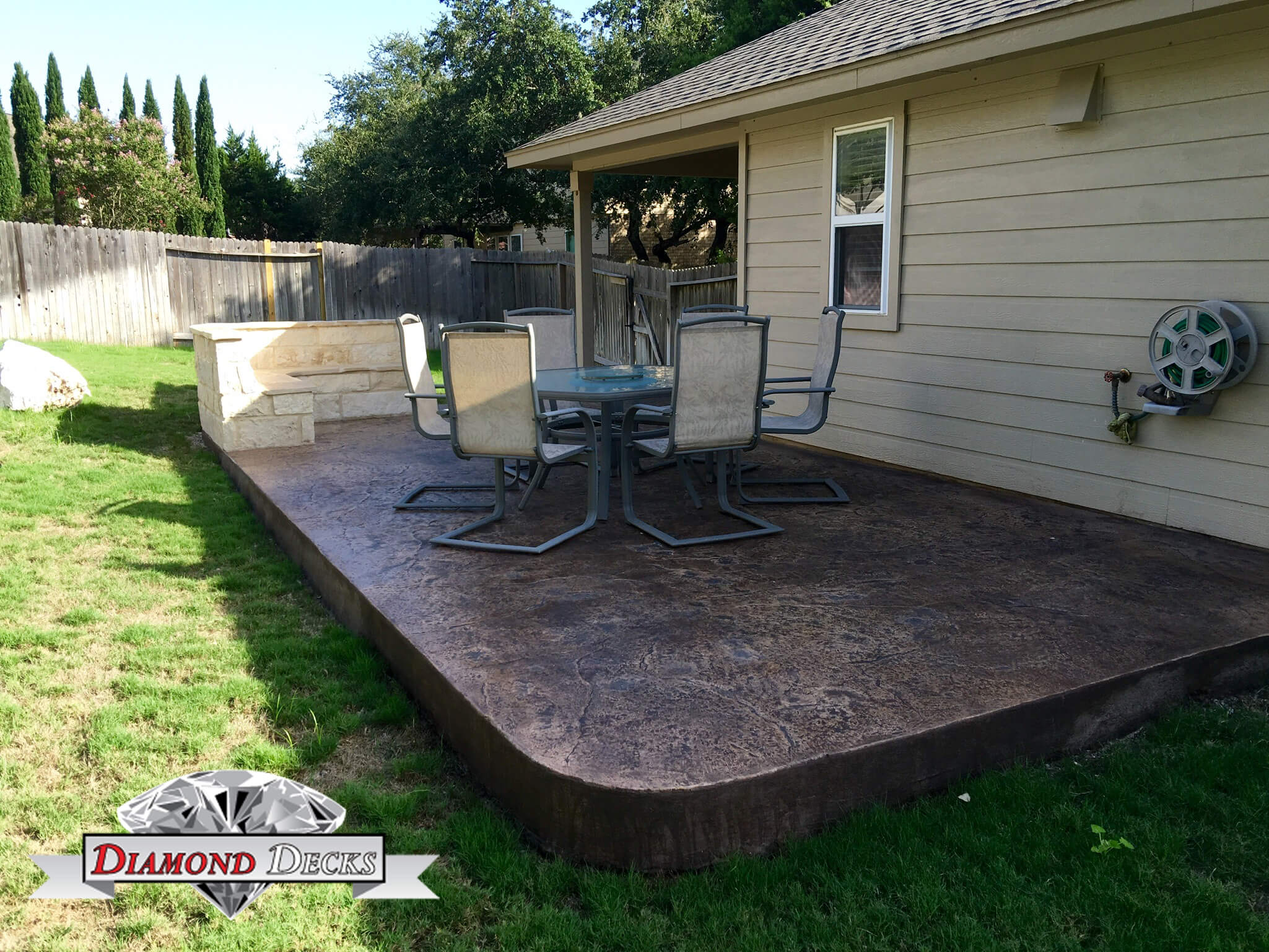
Stamped concrete patios are outdoor surfaces created by pouring concrete and imprinting decorative patterns and textures to mimic natural materials like stone, brick, or wood. San Antonio homeowners choose stamped concrete for its value, swift installation, and ability to boost property value with personalized designs. Diamond Decks blends material science with artistic flair, ensuring patios harmonize with the Texas landscape and climate.
What is stamped concrete and how does it mimic natural materials?
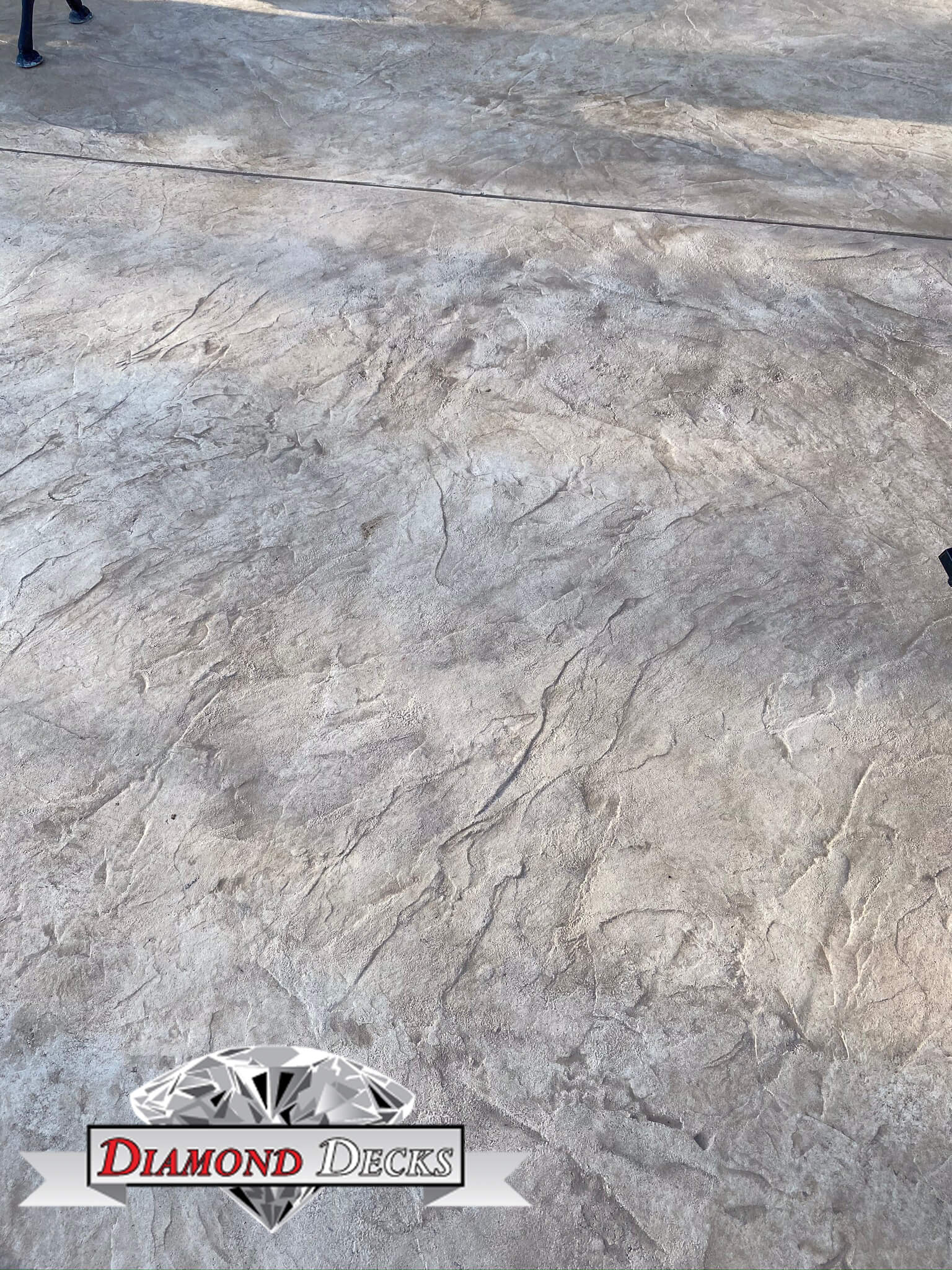
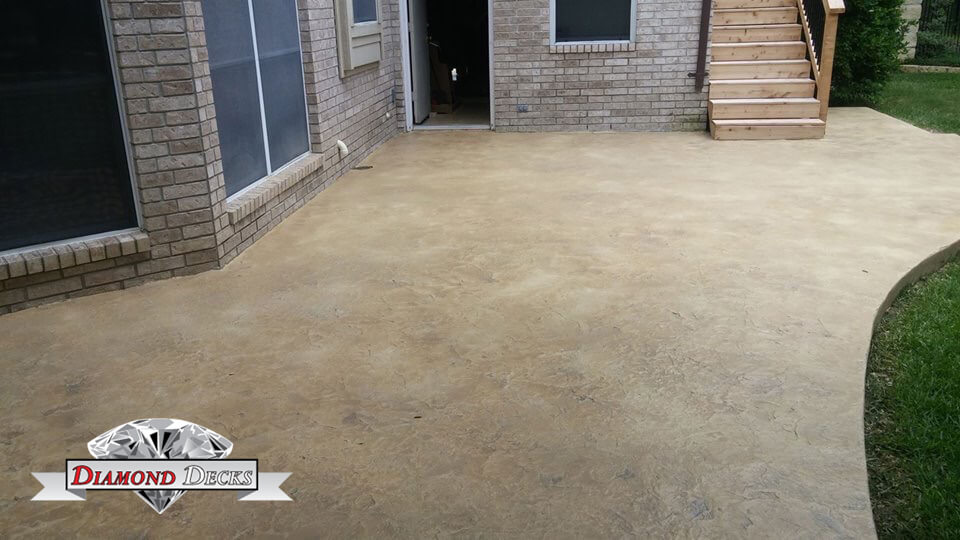
Stamped concrete involves imprinting freshly poured concrete with molds to replicate stone, brick, slate, or wood textures. Color hardeners and release agents are applied before pressing specialized stamps into the wet mix, creating realistic grooves and reliefs. This enhances curb appeal without the weight or irregular shapes of natural materials.
How does stamped concrete enhance outdoor living spaces?
Decorative patterns transform ordinary slabs into vibrant patios, walkways, and pool decks. Texture and color create design continuity, extending living spaces outdoors. These durable surfaces create functional zones for dining and relaxation, boosting property value and personalizing environments for gatherings.
Why is Diamond Decks a trusted stamped concrete contractor in San Antonio?
Diamond Decks is a trusted San Antonio contractor, known for expertly installing hundreds of stamped concrete patios. Our craftsmanship ensures precise stamping, seamless color blending, and meticulous sealing for lasting finishes. We collaborate with homeowners on patterns and hues, and our understanding of local conditions guarantees patios remain vibrant for decades.
What Are the Most Popular Stamped Concrete Patio Designs and Patterns?

Stamped concrete offers vast design possibilities, from cobblestone to wood plank textures, allowing San Antonio homeowners to customize their outdoor oasis. The right pattern sets the tone, whether rustic or contemporary. Here are five popular patterns ideal for Texas climates:
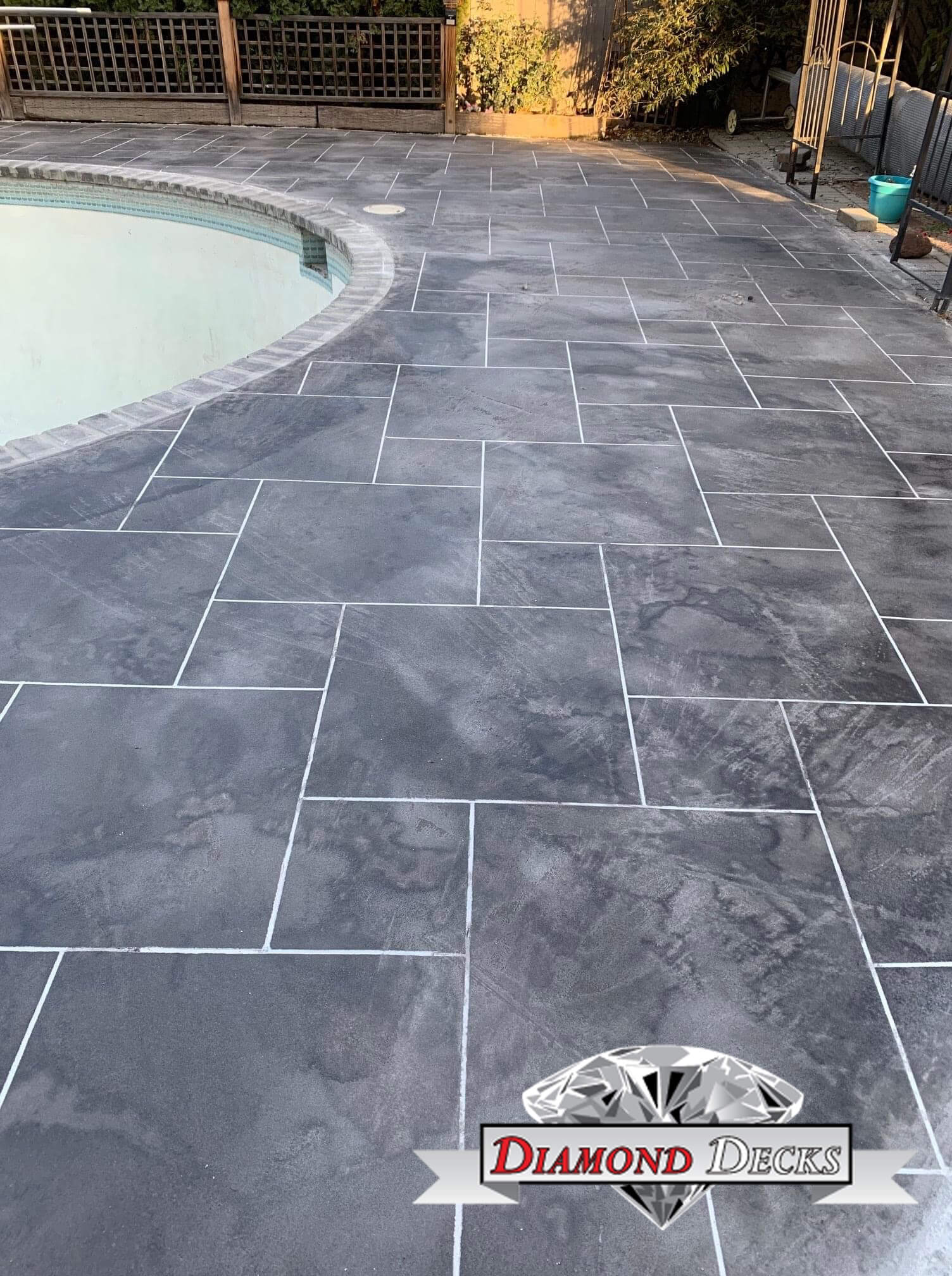
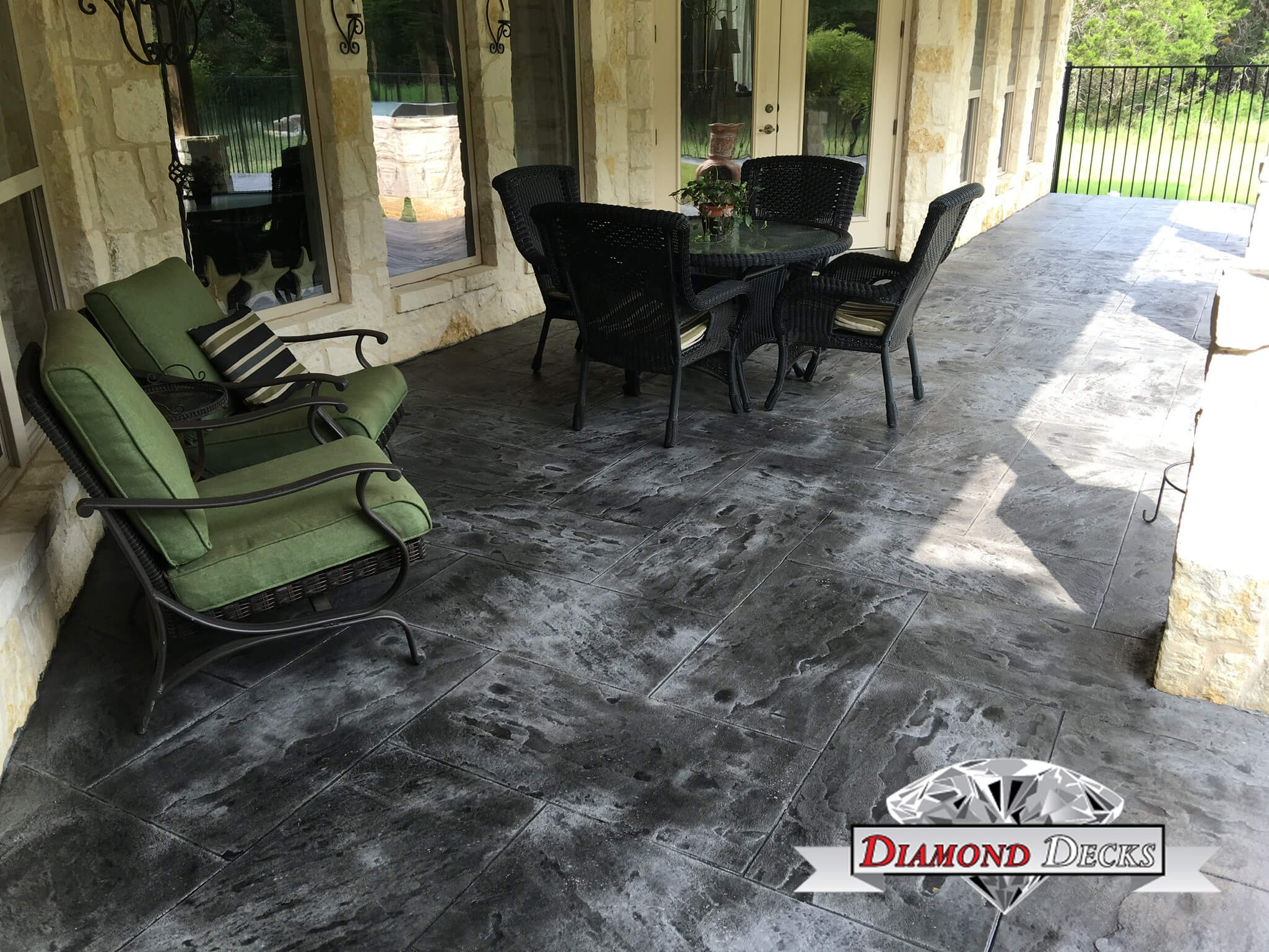
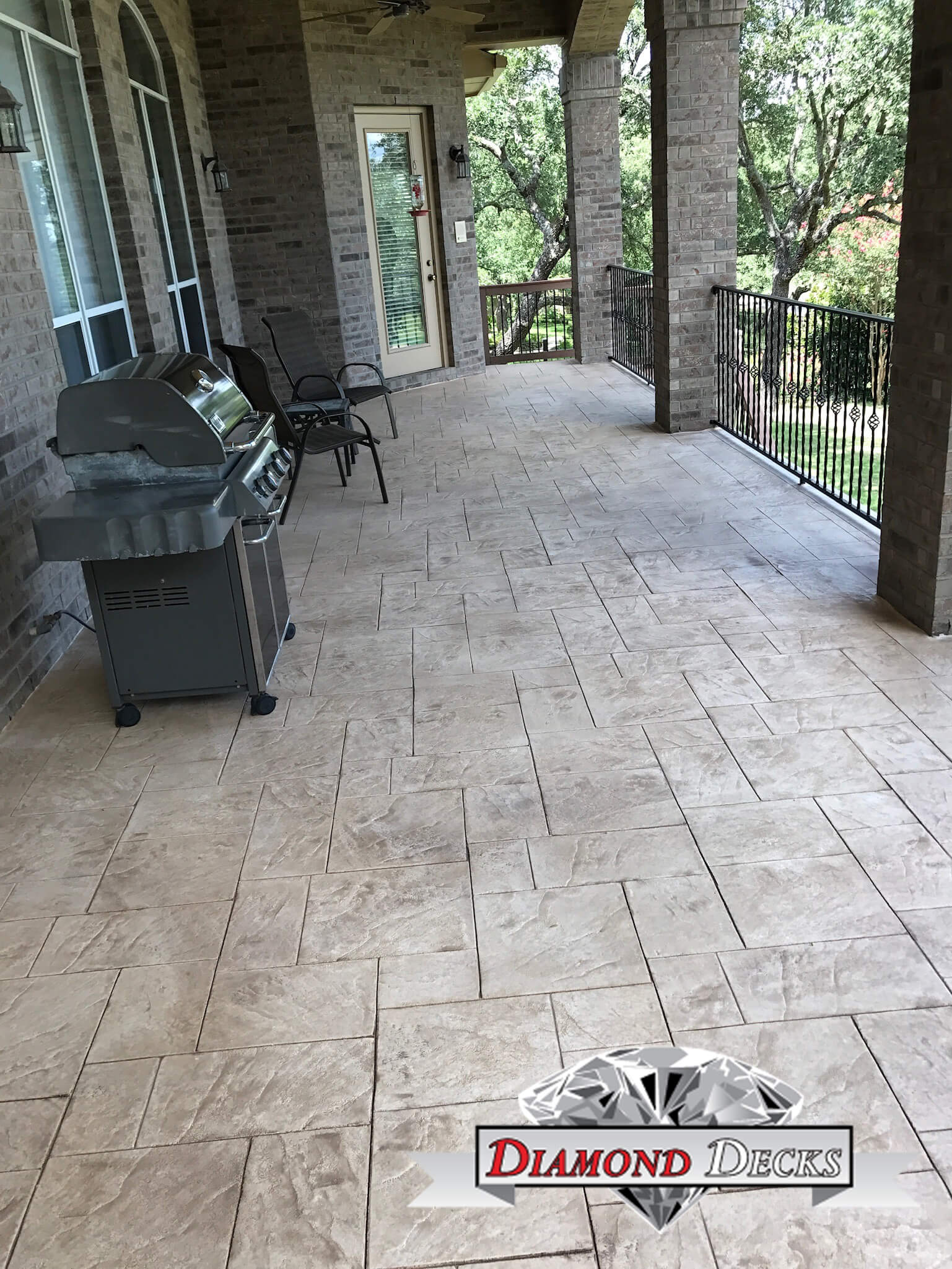
- Ashlar Slate — Mimics natural slate with its irregular shapes and deep grout lines.
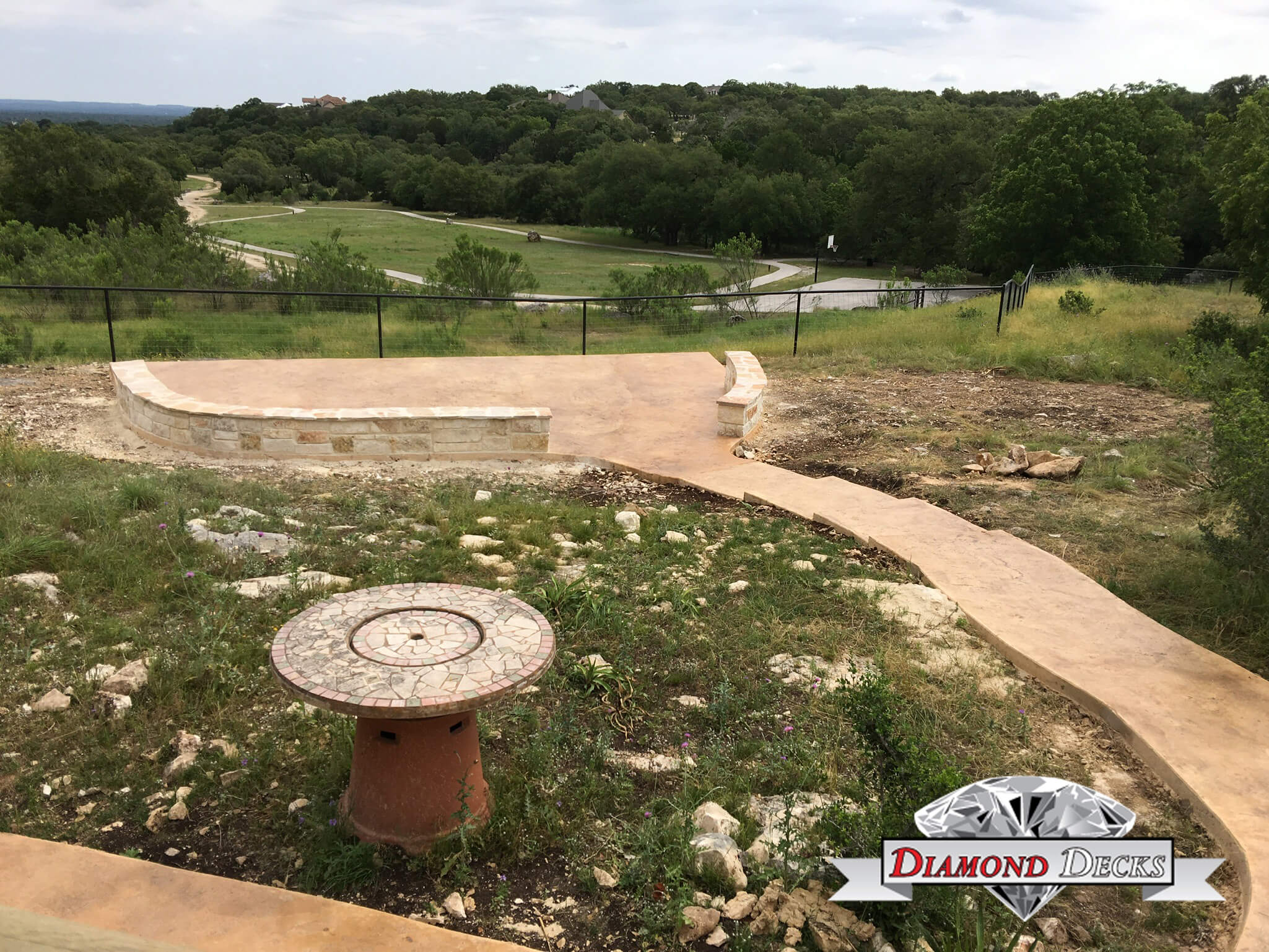
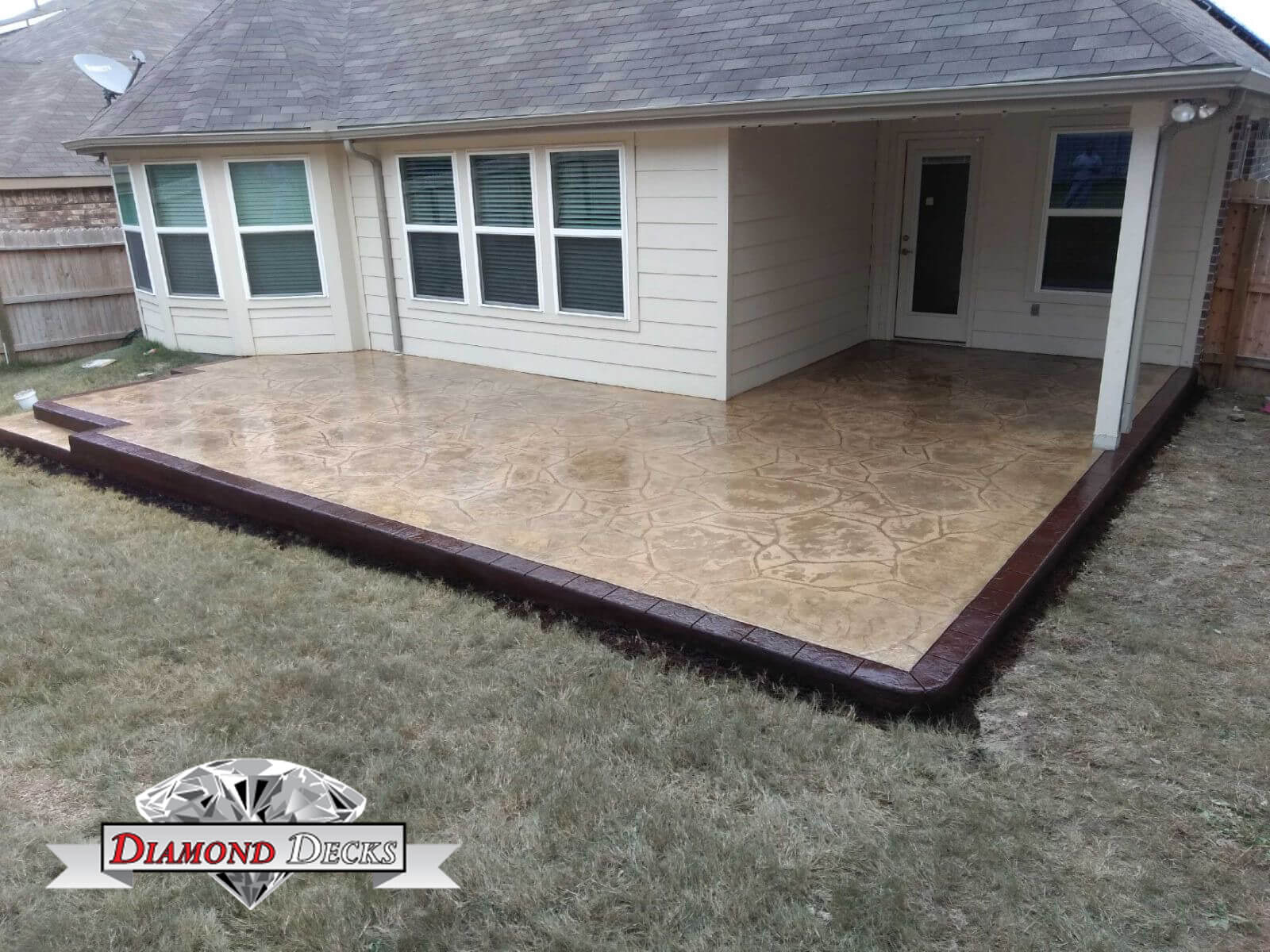
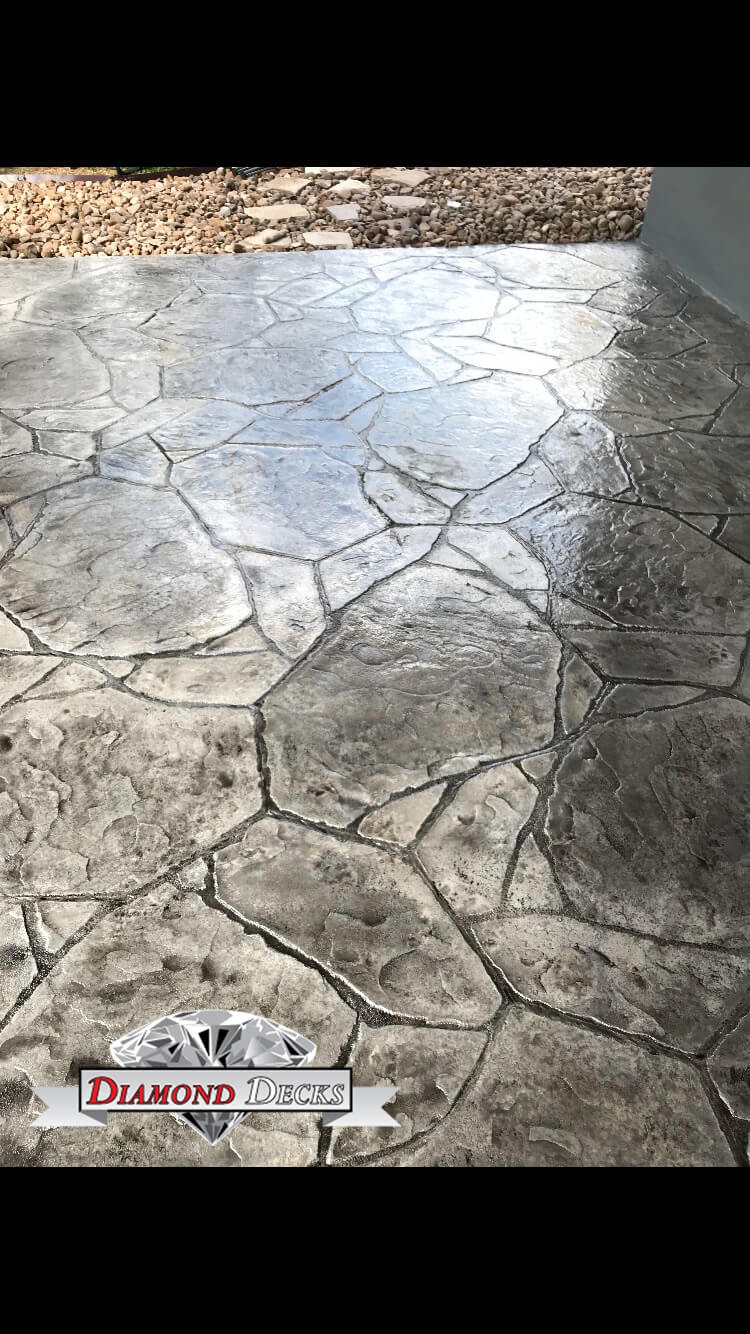
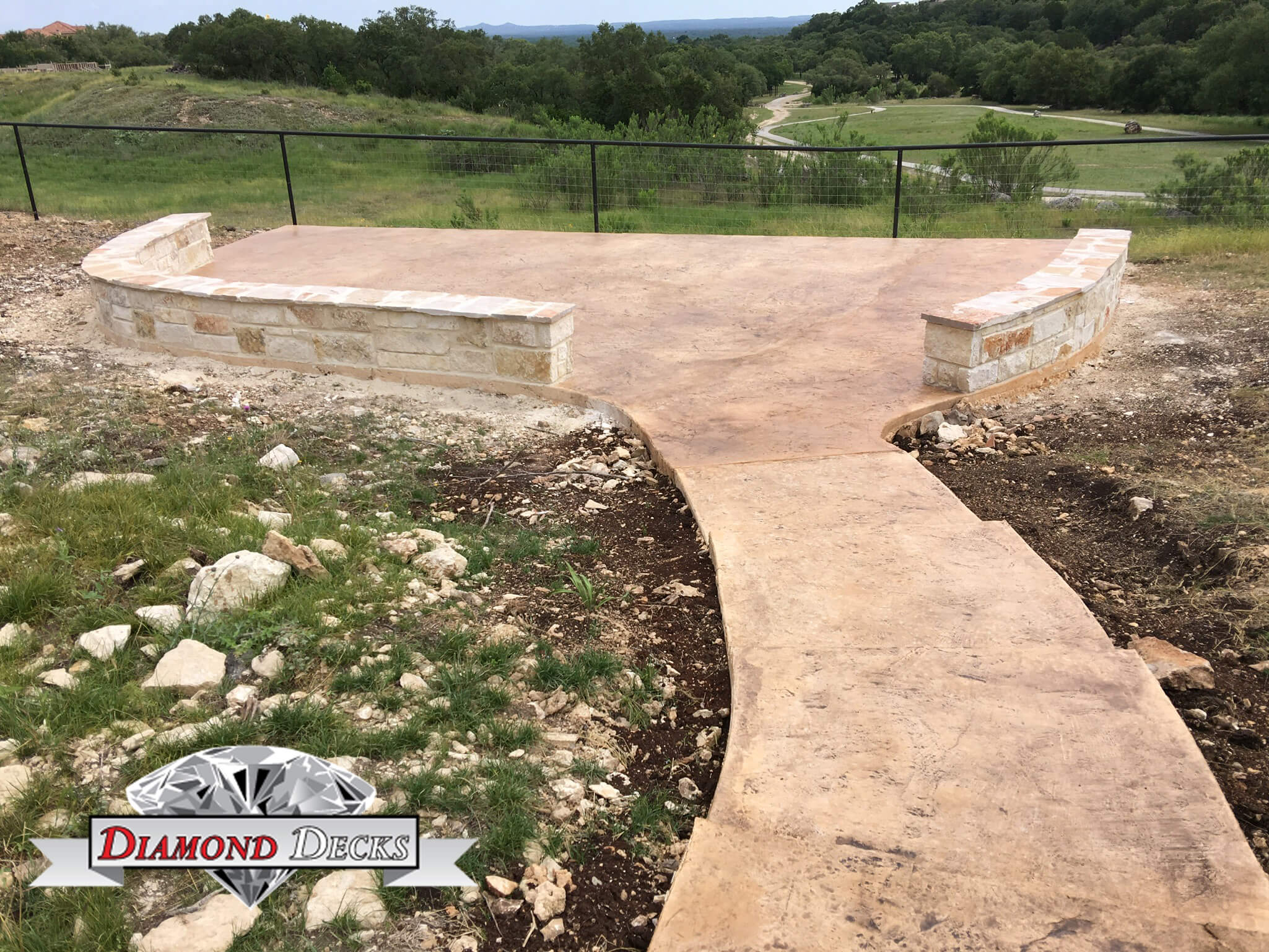
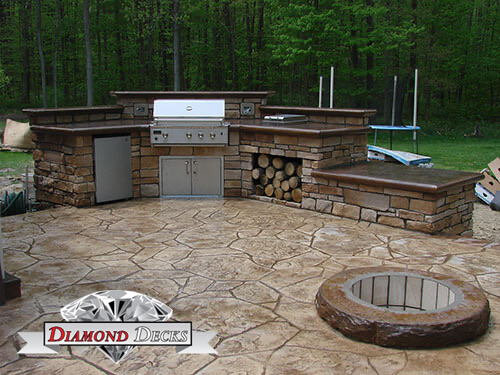
- Flagstone — Recreates the look of flat, angular stone slabs, ideal for patios that seamlessly blend into garden paths.
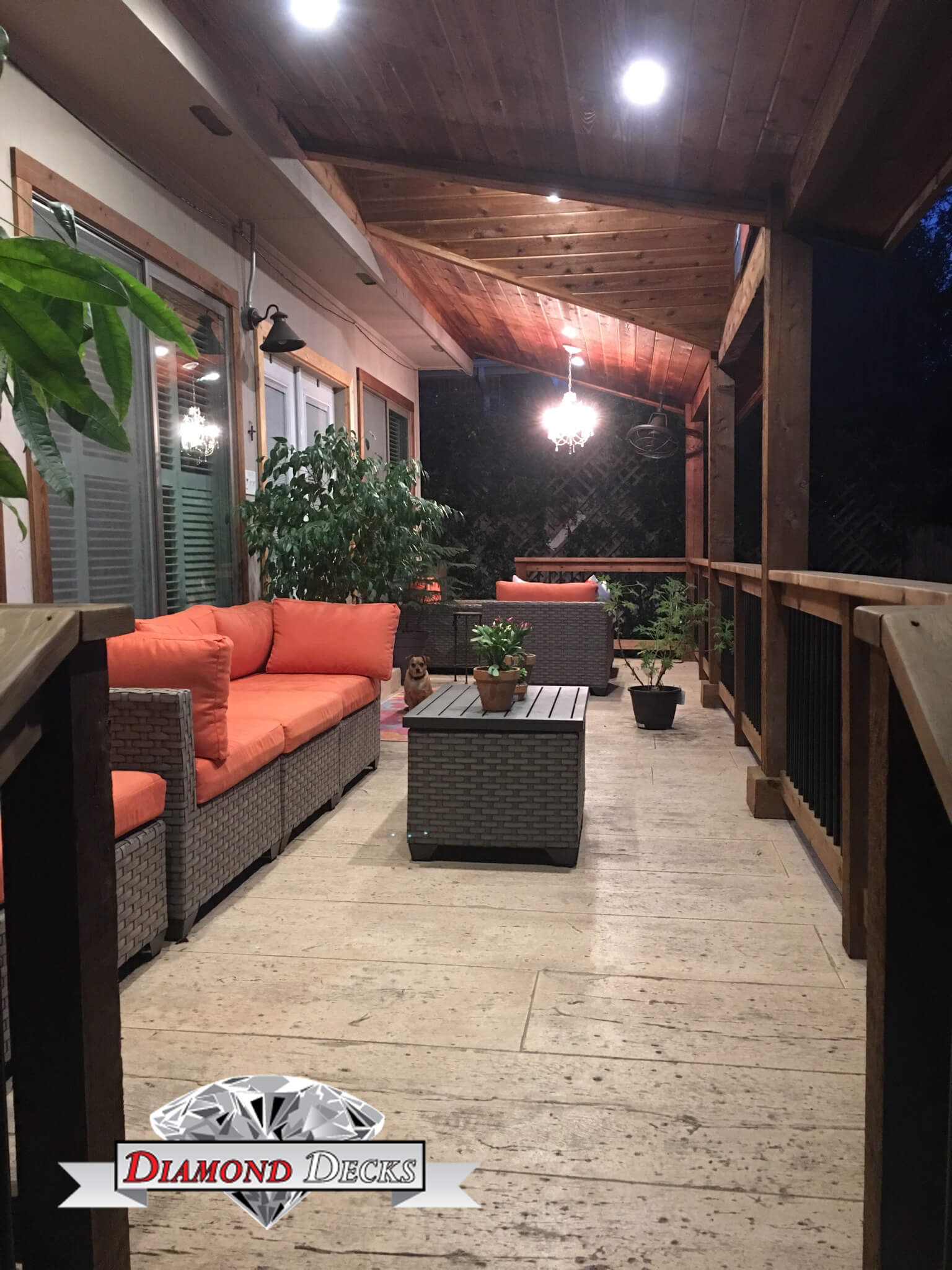
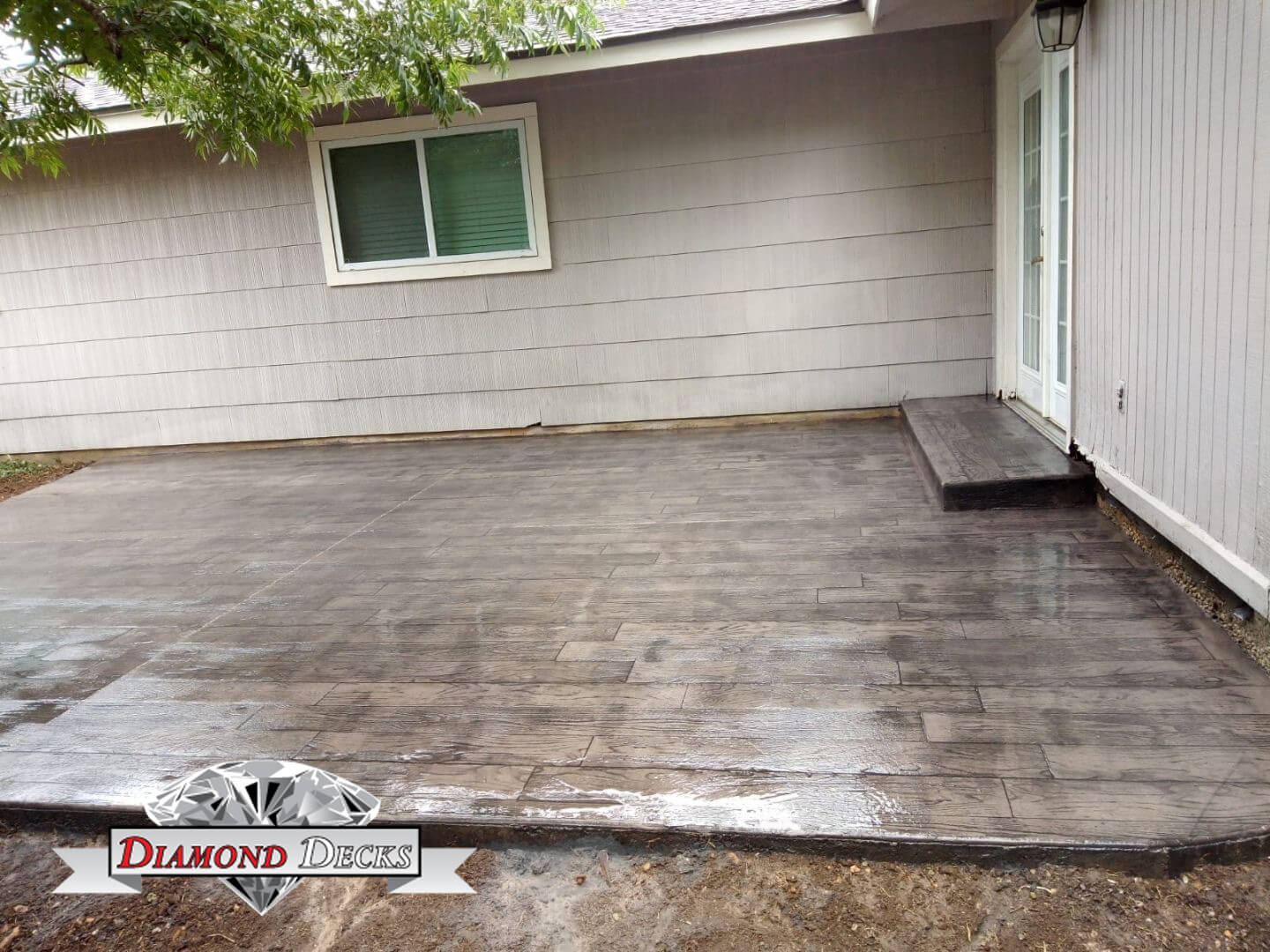
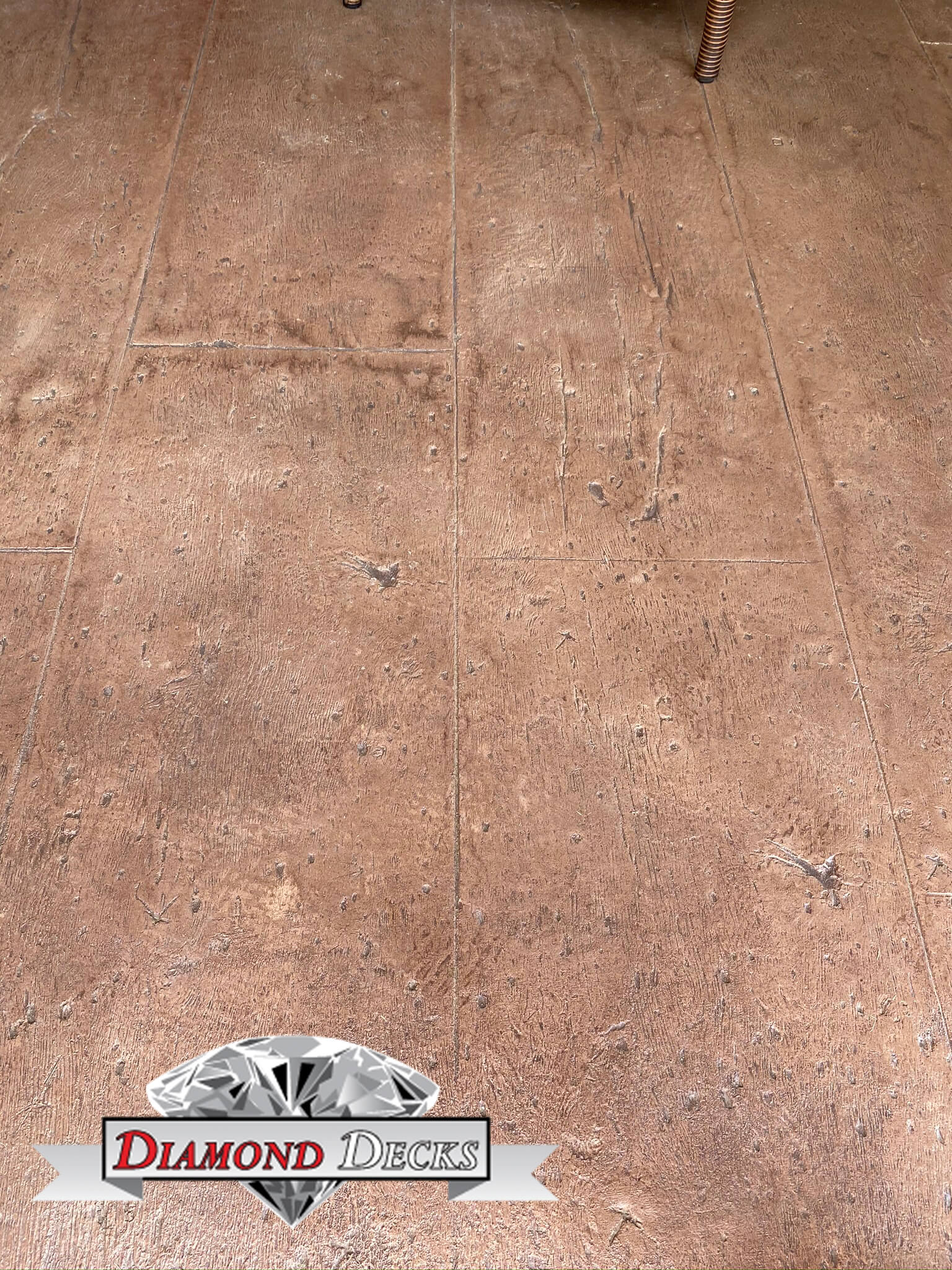
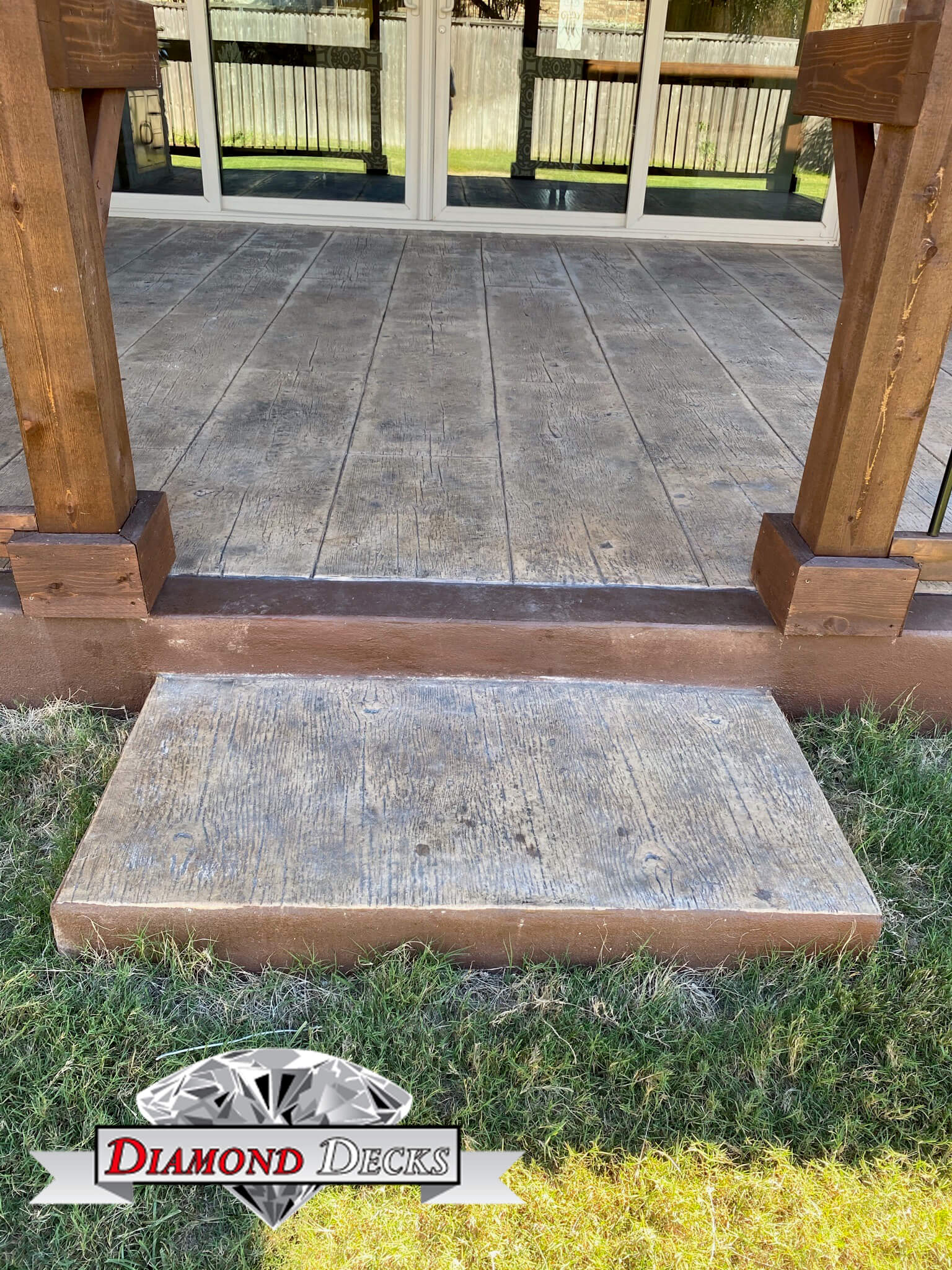
- Wood Plank — Offers the warm aesthetic of hardwood decking without the need for annual staining.
- Brick — Provides a classic, structured appearance that complements both traditional and modern homes.
- Cobblestone — Delivers an old-world charm with rounded stone impressions and traditional spacing.
Each pattern pairs beautifully with custom color hardeners (beiges, grays, browns) or tinted sealers to match outdoor kitchens, pergolas, or pool surrounds. Harmonizing textures with landscape architecture creates seamless indoor-outdoor transitions.
Which stamped concrete patterns are best for San Antonio patios?
Patterns with minimal grout lines and denser textures, like Ashlar Slate and Wood Plank, suit South Texas by reducing debris and simplifying cleaning. Cobblestone and brick, with anti-slip sealers, are great for poolside patios. The best choice depends on aesthetics, functional needs, drainage, and foot traffic.
How do custom colors and textures personalize stamped concrete patios?
Integrating color hardeners and tinted sealers achieves foundational tones and surface highlights. Homeowners choose from earth tones (terra cotta, charcoal, sandstone) for subtle or bold contrasts. Antiquing agents deepen stamp impressions, creating multi-dimensional surfaces that complement plantings and hardscapes.
Can stamped concrete patios be tailored to match outdoor kitchens and covers?
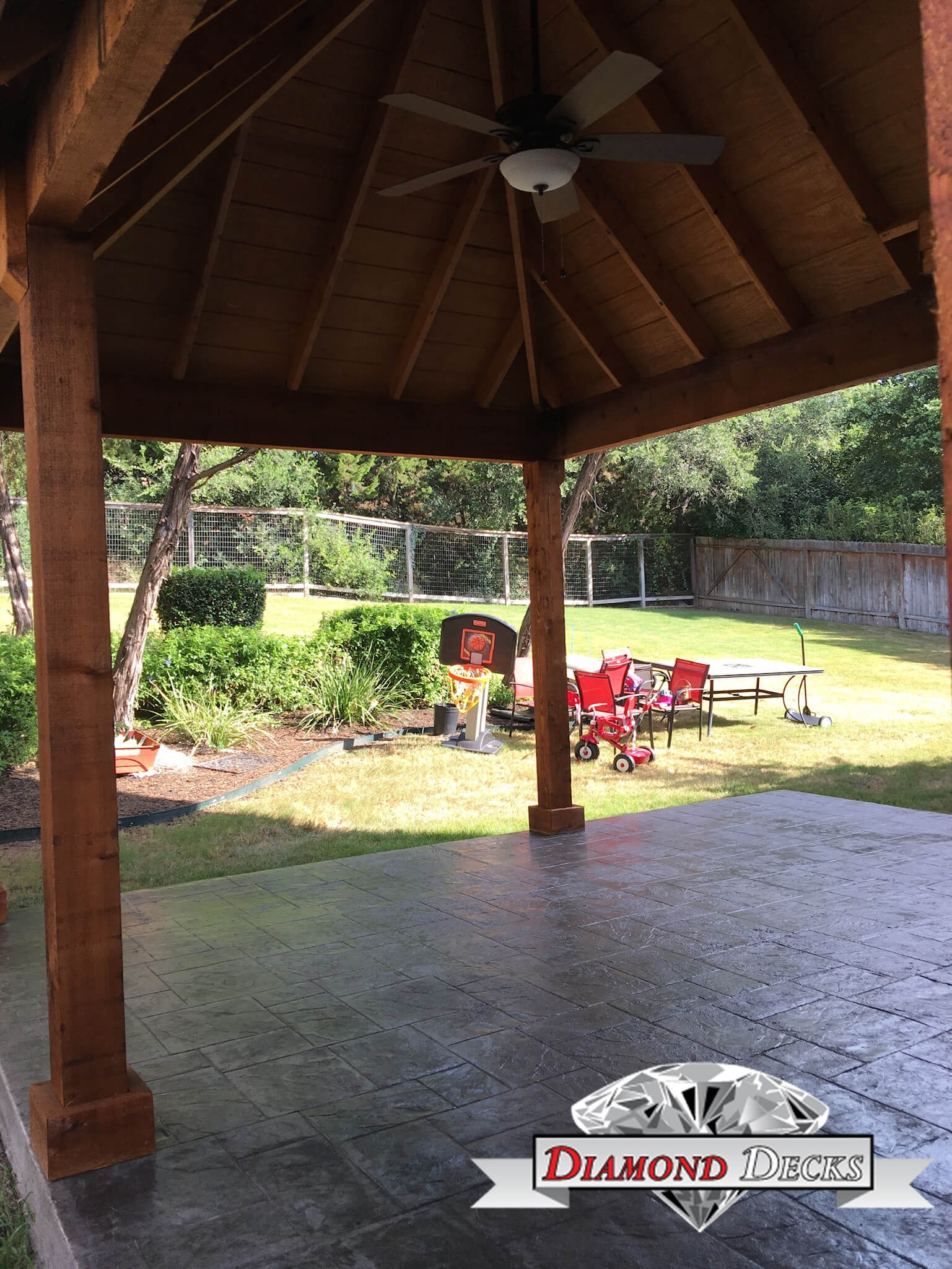
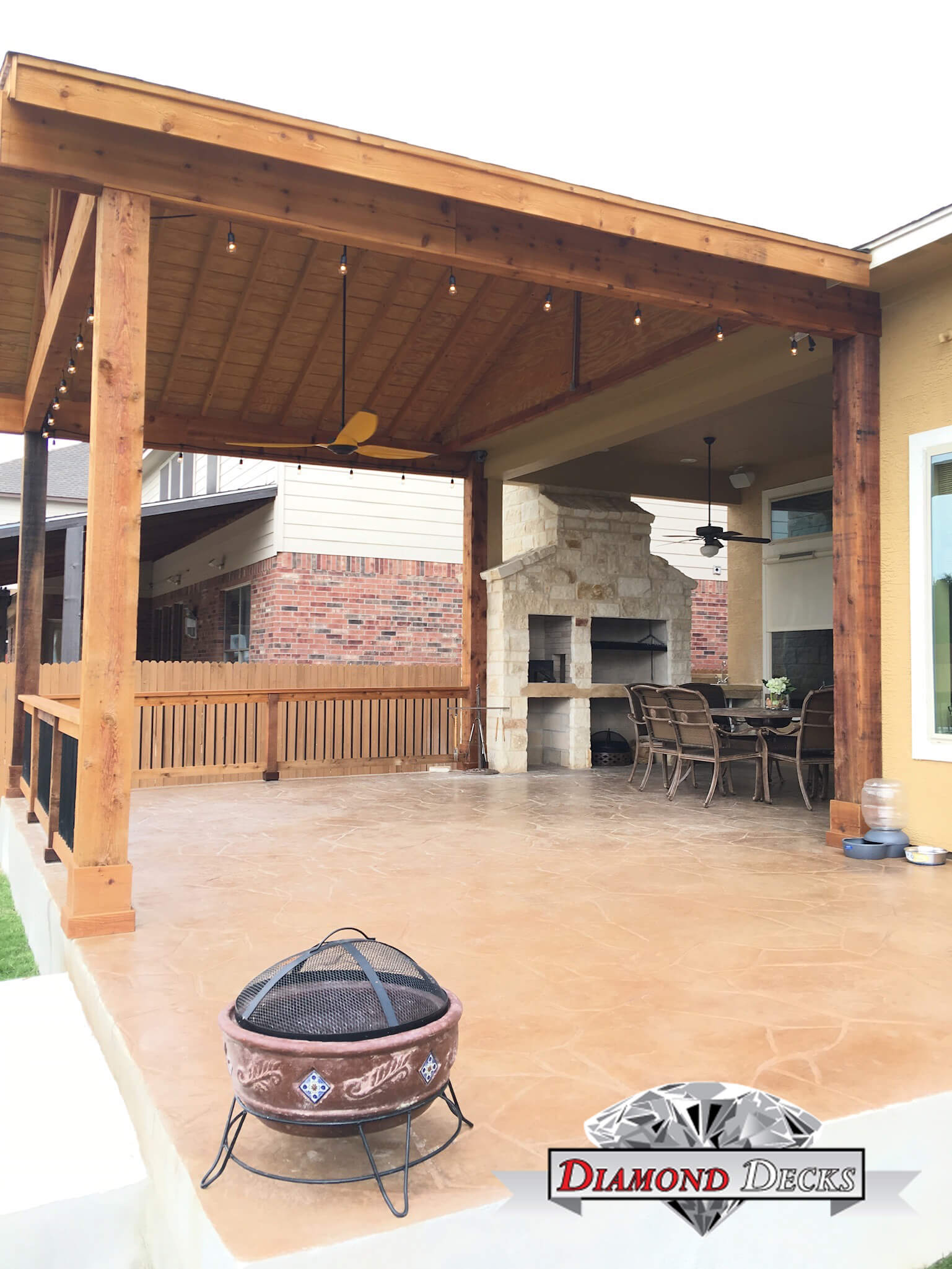
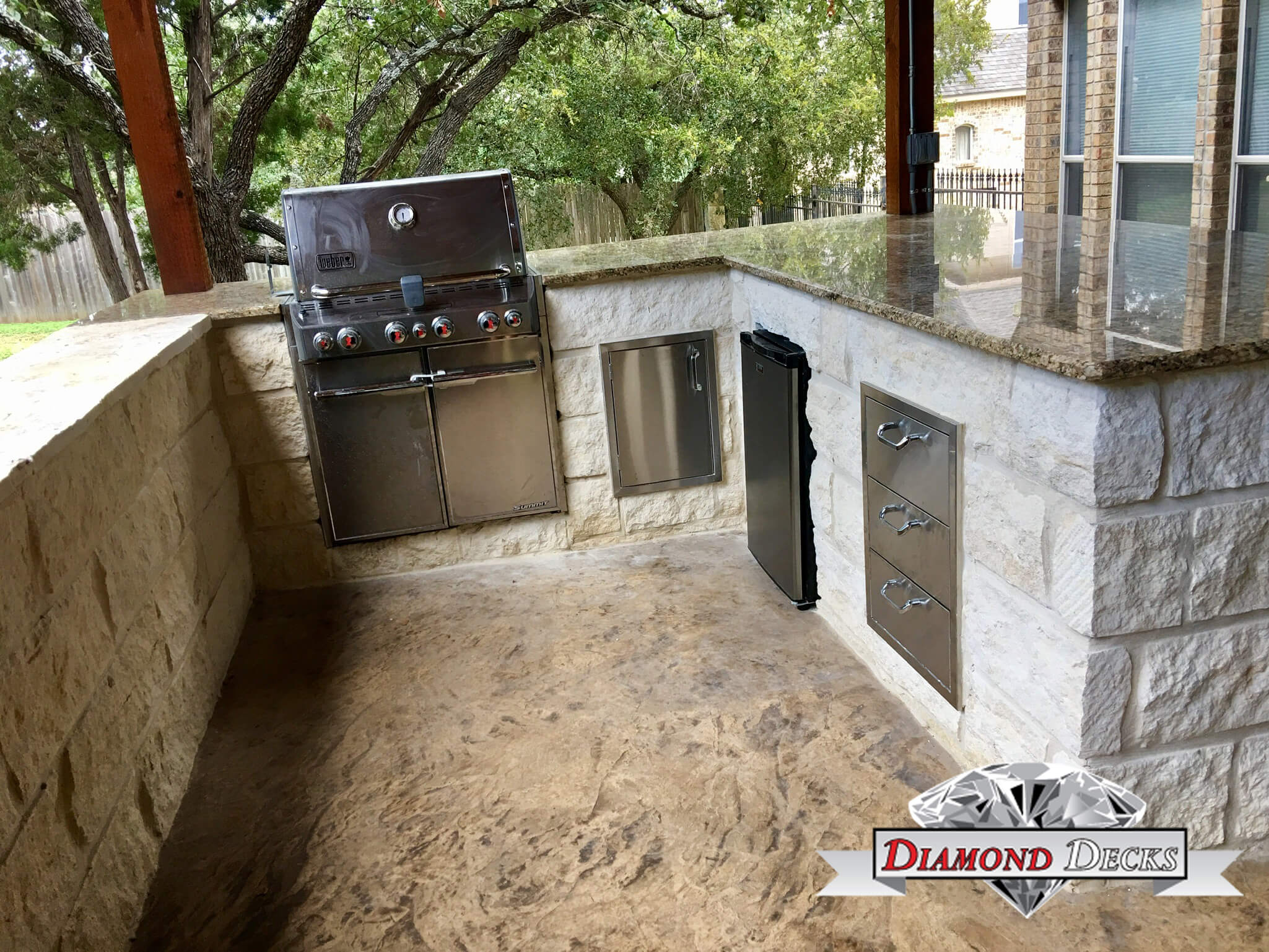
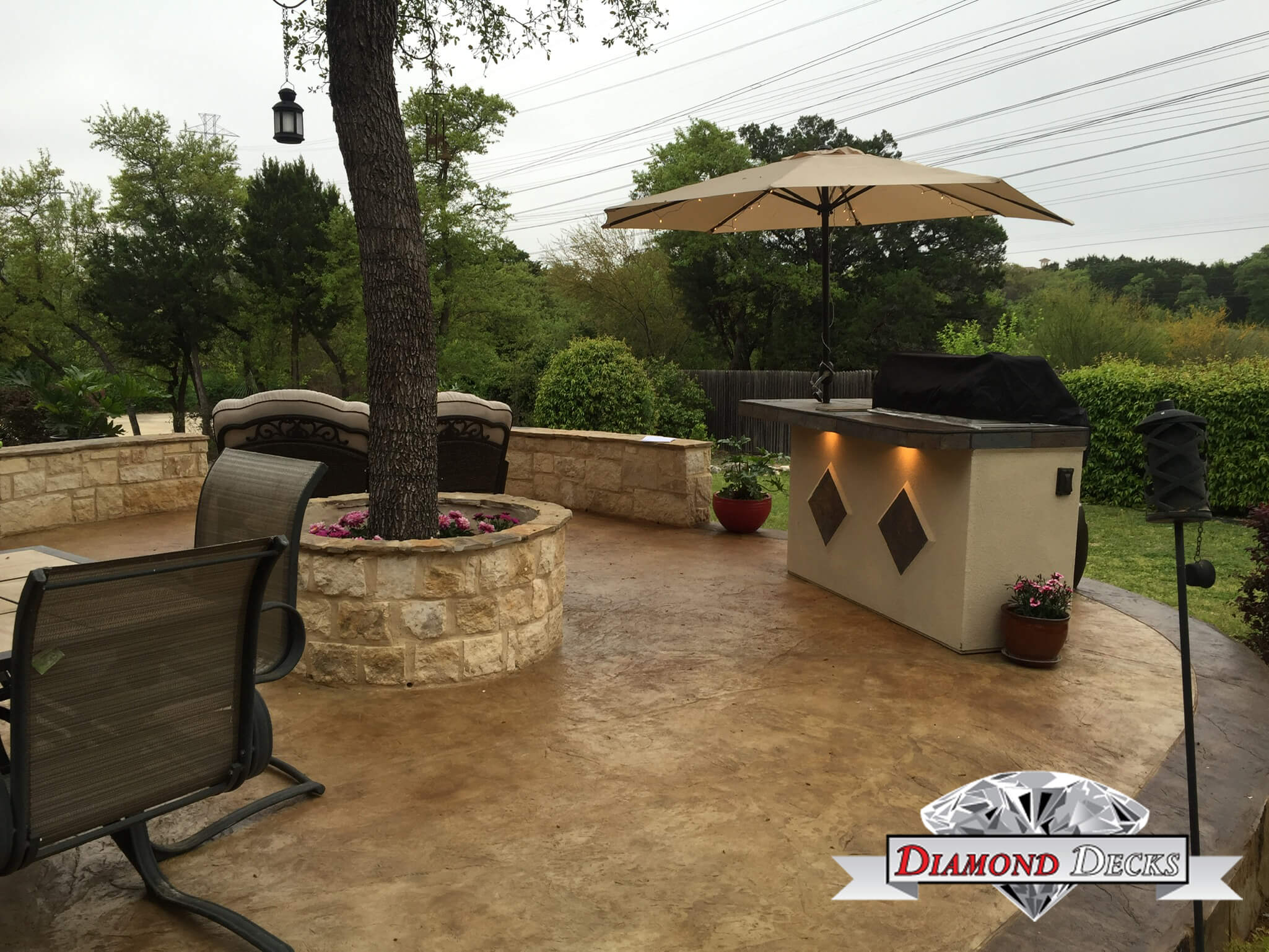
Yes. Coordinating stamp patterns with countertop materials and pergola finishes makes patios cohesive extensions of outdoor kitchens and living areas. Custom borders, medallions, and inset tile designs personalize and highlight cooking islands, dining spaces, or fire features.
What Are the Key Benefits and Durability Features of Stamped Concrete Patios?
Stamped concrete patios offer aesthetic versatility and structural resilience, ideal for San Antonio’s climate. Proper expansion joints resist cracking, and color-stabilizing sealers protect against UV fading. These features ensure a vibrant, functional patio for 15-30 years with recommended sealing every 2-3 years.
- Elevated curb appeal through decorative patterns and custom color palettes
- Efficient installation compared to natural stone and pavers
- Minimal maintenance: simple sweeping, occasional washing, and periodic sealing
- High durability: resistant to heavy foot traffic, freeze-thaw cycles, and rain
- Seamless integration with outdoor kitchens, fire pits, and pool decks
These advantages contribute to enjoyment and long-term value, solidifying the patio’s role in complete outdoor living.
How durable and weather-resistant are stamped concrete patios in San Antonio?
Correctly installed, stamped concrete resists cracking and spalling, even under intense sun and heavy rainfall. Strategic expansion joints (every 8–12 feet) and quality sealers protect against freeze-thaw damage. The dense, colored surface maintains hue and texture for decades, providing a robust outdoor foundation.
What maintenance is required to keep stamped concrete patios looking new?
Maintenance involves resealing every 2–3 years to preserve color and prevent water penetration. Routine cleaning includes sweeping debris and rinsing with mild detergent. Anti-slip sealers can be reapplied for safety around pools and dining areas.
What are the pros and cons of stamped concrete patios?
- Valuable decorative finish
- Quick installation and minimal joints
- Wide range of patterns and colors
- Potential for hairline cracks without proper joint placement
- Sealer renewal required every few years
- Repair and patchwork can be visible if not expertly matched
Understanding these trade-offs helps homeowners plan for long-term care, ensuring a long-lasting, attractive patio.
What Is the Stamped Concrete Patio Installation Process by Diamond Decks?
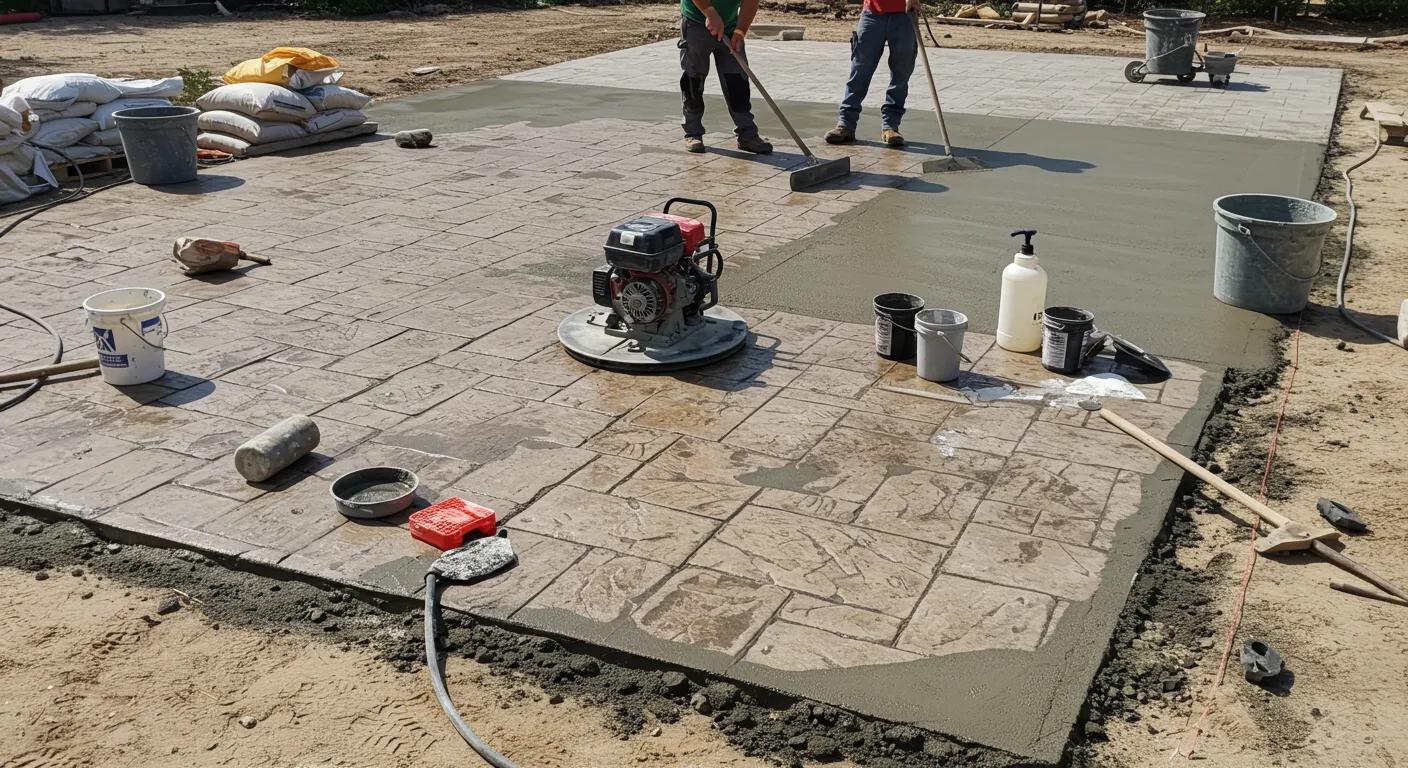
Diamond Decks follows a meticulous stamped concrete patio installation process: site preparation, precise pouring, decorative stamping, and protective sealing. This ensures a structurally sound slab that meets aesthetic goals and withstands San Antonio’s climate. Homeowners receive clear timelines and transparent project details.
- Site Preparation and Grading: We begin by excavating the designated area, installing a compacted base material, and carefully defining the edge forms.
- Concrete Placement: A reinforced slab is poured to the specified thickness, typically between 4–6 inches.
- Color and Texture Application: Color hardeners are broadcast and troweled into the surface, followed by the application of release agents.
- Stamping and Detailing: Specialized stamps are used to imprint the chosen pattern, and seams or accents are cut to achieve a natural appearance.
- Sealing and Curing: After the initial set, we apply two coats of UV-resistant sealer to lock in color and provide protection against stains.
Standard patios typically complete in 3–5 days, with curing ensuring optimal strength.
How does Diamond Decks ensure expert craftsmanship and quality control?
An experienced project manager supervises every project, overseeing grading, concrete mix testing, and stamping uniformity. Crews use calibrated tools for consistent stamp pressure and flawless color blending. Routine inspections and moisture checks ensure proper curing before sealer application.
What repair and resurfacing options are available for stamped concrete patios?
Diamond Decks offers comprehensive repair and resurfacing, including crack repair, color patching, and full resurfacing, to restore faded or damaged patios. Compatible color blends and matching stamp textures seamlessly integrate new overlays, renewing appearance and extending patio life.
How Can Stamped Concrete Patios Be Integrated into Complete Outdoor Living Spaces?
Stamped concrete patios are ideal foundations for comprehensive outdoor living, connecting kitchens, pergolas, seating areas, and pool decks into unified entertaining spaces. This robust substrate supports built-in appliances, pergola footings, and fire pit installations without compromising aesthetics.
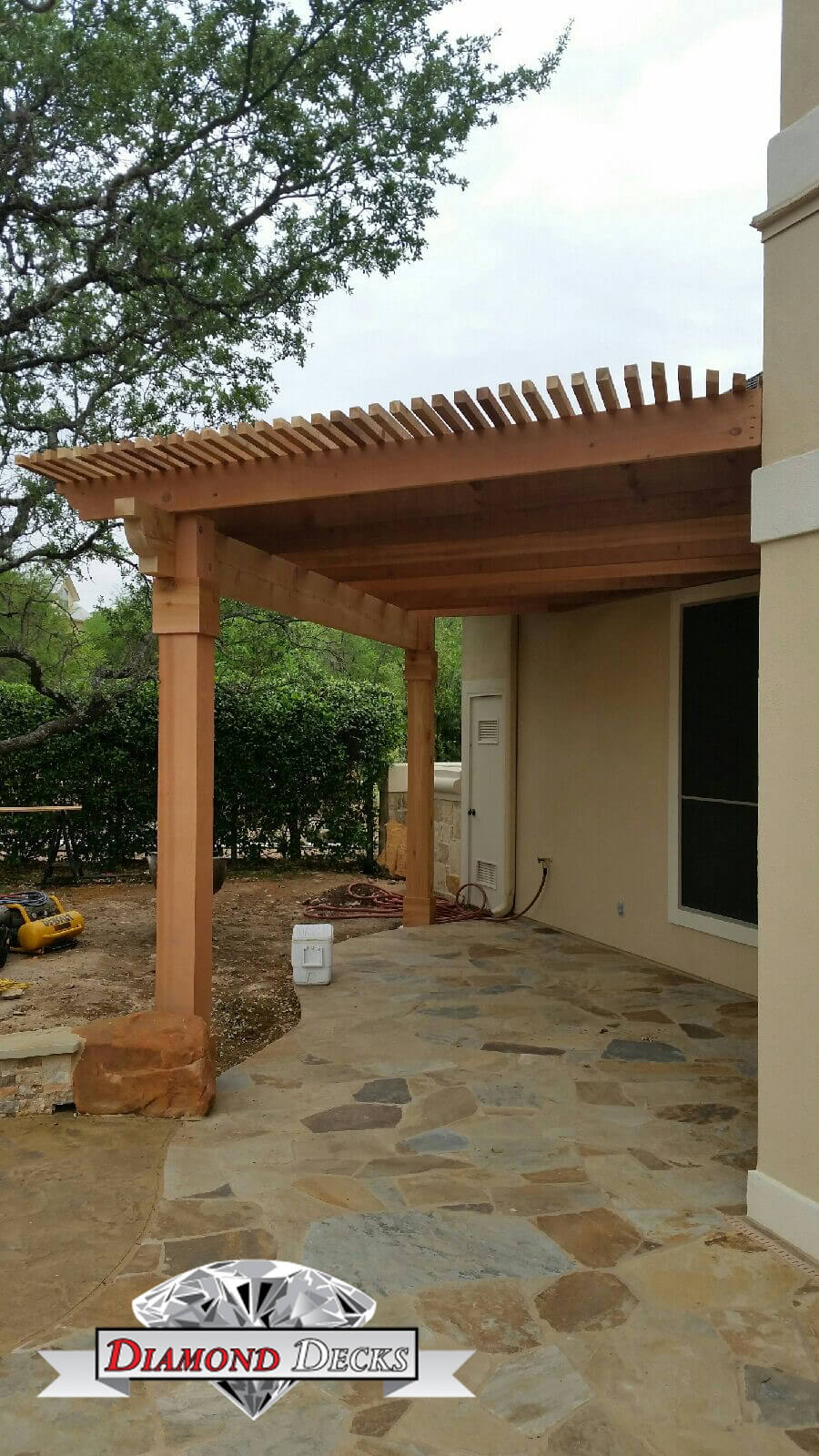
- Outdoor Kitchens & Pergolas: Complements countertop materials and shade structures, creating harmonious cooking and dining zones.
- Pool Decks: Textured stamps with anti-slip additives enhance safety and reflect light to minimize heat absorption.
- Driveways & Walkways: Extending patterns to driveways and paths creates cohesive curb appeal, eliminating abrupt transitions and unifying designs.
What are the benefits of combining stamped concrete patios with outdoor kitchens and pergolas?
Integrating stamped concrete beneath outdoor kitchens and pergolas provides durable, stain-resistant flooring that handles grease and moisture. Coordinated patterns reinforce design harmony and offer a solid foundation for heavy appliances and structural posts.
How do stamped concrete pool decks enhance safety and aesthetics?
Anti-skid additives in the sealer create a textured, smooth surface, reducing slip risk when wet. Light-reflective colors and patterns complement water hues, crafting inviting poolside retreats.
Can stamped concrete be used for driveways and walkways in San Antonio?
Yes. Extending stamped textures and borders to driveways and walkways creates unified curb appeal and eliminates jarring transitions. Reinforced concrete withstands vehicle loads, while decorative patterns elevate your home’s exterior.
What Are Common Questions About Stamped Concrete Patios in San Antonio?
Homeowners often ask about lifespan, safety, maintenance, and long-term value for stamped concrete patios. Understanding these ensures realistic expectations and long-term satisfaction.
How long do stamped concrete patios last in San Antonio’s climate?
With proper expansion joints and sealing every 2-3 years, stamped concrete patios last 15-30 years. Regular maintenance preserves color and prevents water infiltration.
Is stamped concrete slippery and how is safety ensured?
Standard sealers can be slick, but anti-slip aggregates and textured stamps provide excellent traction. Pool decks and high-traffic areas benefit from specialized sealers with fine grit for enhanced grip.
How often should stamped concrete patios be sealed and maintained?
Seal every 2-3 years, depending on UV exposure and foot traffic. Maintenance includes regular sweeping, gentle pressure washing, and prompt stain removal to maximize sealer lifespan.
Frequently Asked Questions
What are the environmental benefits of using stamped concrete for patios?
Stamped concrete patios are eco-friendly due to durability and low maintenance. Lasting 15-30 years with care, they reduce the need for frequent replacement unlike natural stone or pavers. Concrete production is also more sustainable, often using recycled materials, reducing carbon footprint and resource consumption.
Can stamped concrete patios be installed over existing concrete surfaces?
Yes, stamped concrete can overlay existing concrete if the original slab is sound. This transforms old patios into decorative spaces without full removal. The overlay process involves cleaning, applying a bonding agent, and pouring a new stamped concrete layer, saving time, labor, and minimizing waste.
How do weather conditions in San Antonio affect the installation of stamped concrete?
San Antonio’s weather significantly impacts stamped concrete installation. High temperatures accelerate curing, risking cracks if not managed. Contractors schedule installations during cooler times and use curing compounds. Rain can disrupt stamping, so monitoring forecasts is crucial. Proper timing and techniques ensure a durable, aesthetic finish resistant to local climate challenges.
What are the best practices for cleaning and maintaining stamped concrete patios?
Regular maintenance keeps stamped concrete patios looking their best. Sweep debris and dirt to prevent staining. For deeper cleaning, use mild detergent and water, then rinse. Reseal every 2-3 years to protect against UV damage and moisture. Avoid harsh chemicals or abrasive tools.
Are there any design limitations with stamped concrete patios?
While stamped concrete offers many design options, limitations exist. Complex patterns increase time. Though it mimics natural materials, it may not perfectly replicate unique stone or wood variations. Homeowners should collaborate with contractors to balance vision with practical installation and maintenance.
How can homeowners ensure their stamped concrete patio is safe for children and pets?
To ensure safety for children and pets, incorporate anti-slip additives into the sealer and use textured stamps for enhanced grip. Keep the patio clean and free of debris. Regularly inspect for cracks or damage, which can be tripping hazards. These precautions create a safe, enjoyable outdoor space.
Conclusion
Investing in a stamped concrete patio enhances outdoor living with a durable, low-maintenance solution mimicking natural materials. Customizable patterns and colors create unique aesthetics, increasing property value. Diamond Decks ensures expert craftsmanship and seamless installation. Explore our design options and request a personalized estimate today for your stunning outdoor retreat.